
Punjab School of Law, Punjabi University Patiala – Courses, Fees, Admission, Eligibility & Ranking (2026)

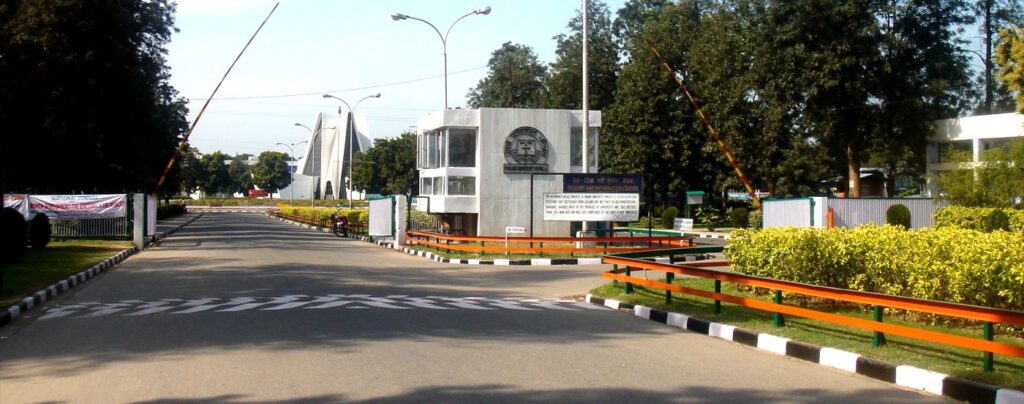
Description
About Punjab School of Law
Verified by Lawsection.in Editorial Team | Updated: March 14, 2026
The Faculty of Law, Panjab University, Chandigarh is one of India’s oldest and most prestigious public law schools. Established in 1882 and re-established at Chandigarh in 1947, it operates under a Central Act and is recognized for academic excellence in legal education.
The law programs are approved by the Bar Council of India (BCI), making graduates eligible to enroll with State Bar Councils in India. The University has been accredited by NAAC (National Assessment and Accreditation Council) and regularly participates in the NIRF rankings released by the Ministry of Education, Government of India.
Recognition & Accreditation
- Recognized under UGC Act, 1956
- Approved by Bar Council of India (BCI)
- Established under the Punjabi University Act, 1961 (Punjab Act No. 35 of 1961)
Ranking and Awards
- NIRF 2025 (Law): NA
- Overall NIRF University Rank: NA
- QS World University Rankings: 901–950
- NAAC A+ Accreditation (CGPA 3.37)
University Snapshot
Location
Patiala, Punjab, India
NIRF Rank (Law)
Participating Institution (Rank band varies by category – verify latest official publication)
Established
Established in 1962
NAAC Grade
A+ (Latest Cycle)
Type
Public State University
Intake Months
July–August (Annual Intake)
Law Programs Offered by Punjab School of Law Punjabi University
Below are the major law programs offered, along with key eligibility, duration, and admission details.
LL.B (3 Years)
Duration: 3 Years
Eligibility: Graduation in any discipline (45% Gen / 40% SC/ST approx as per BCI norms)
Entrance: PU LLB Entrance
Approx Fees: ₹3,60,000 per year
BA LL.B (Hons.) – 5 Year
Duration: 5 Years (Integrated)
Eligibility: 10+2 with required percentage
Entrance: PU CET (UG)
Approx Fees: ₹4,12,100 per year
LL.M (1Years)
Duration: 1Years
Eligibility: LL.B Degree
Entrance: PU-LLM Entrance
Approx Fees: ₹1,00,000 – ₹1,21,000 per year
Ph.D in Law
Duration: 3–6 Years
Eligibility: LL.M with required percentage
Entrance: Ph.D Entrance / UGC-NET (as applicable)
Fees: As per university norms
Is Punjab School of Law a Good Law College?
Punjab School of Law at Punjabi University Patiala is known for providing legal education within one of Punjab’s major public universities. The institution benefits from the academic infrastructure of Punjabi University and offers recognised law programs approved by the Bar Council of India. Graduates from the university pursue careers in litigation, legal consultancy, corporate law, and judicial services..
Who Should Choose Punjab School of Law?
- Students seeking affordable government law education in North India.
- Aspirants targeting litigation practice in Punjab & Haryana High Court jurisdiction.
- Candidates preparing for Judiciary exams (PCS-J).
- Students preferring a traditional university ecosystem over autonomous NLUs.
Documents Required for Law Admission (2026)
Admission to Punjab School of Law, Punjabi University, Patiala is subject to the university’s eligibility rules, category norms, and admission instructions. Officially, the department lists B.A. LL.B. (5-year) for candidates who have passed 10+2 and LL.M. (1-year) for candidates with an LL.B. degree meeting the required marks.
For Undergraduate (5-Year) Applicants:
- Class 10 Certificate (Date of Birth proof)
- Class 12 Pass Certificate
- Category Certificate (SC/ST/OBC/EWS/PwD as per Government norms)
- Entrance Test Scorecard (PU CET LAW)
- Valid Photo ID (Aadhaar/Passport/Driving Licence)
- Passport-size Photographs
- Migration Certificate
For LLB (3-Year) Applicants:
- Class 10 Pass Certificate (Date of Birth proof)
- Class 12 Pass Certificate
- Graduation Degree & Final Mark sheet
- Provisional Certificate (if degree awaited)
- Entrance Test Scorecard (PU CET LAW)
- Category Certificate (SC/ST/OBC/EWS/PwD as per Government norms)
- Passport-size Photographs
For LLM Applicants:
- LLB Degree & Consolidated Marksheet
- Internship / Enrollment Certificate (if applicable)
- Entrance Test Scorecard (if required under current admission policy)
- Valid Government ID Proof
For International Students:
- Original Passport and coloured Copy
- Academic Transcripts (equivalent qualification proof)
- English Proficiency Certificate
- Student Visa (post admission confirmation)
Important Note: Applicants should always verify the final document checklist from the latest Punjabi University admission notice or portal before submission, because document requirements can vary by program, category, and year. The official Punjab School of Law page confirms the course eligibility and admission mode, while the university’s admission notices govern the final process.
Punjabi University’s international admissions brochure says international students must register with the Directorate of International Affairs on arrival and are provided help with admission, hostel allocation, orientation, and related university formalities.
How to Apply for Law Programs (Step-by-Step Admission Process 2026)
Admission to Punjab School of Law, Punjabi University, Patiala follows the university’s notified admission process. For B.A. LL.B. (5-year), the official course page states that admission is made on the basis of merit in the qualifying class. For LL.M. (1-year), the official page states that admission is through an entrance test.
Step-by-Step Format
Step 1 – Check Eligibility Criteria
Confirm that you meet the official minimum academic eligibility. For Punjab School of Law, the university lists 10+2 with 45% marks for B.A. LL.B. and LL.B. with 55% marks (50% for SC/ST) for LL.M. on its official course page.
Step 2 – Visit the Official Admission Portal
Go to the official Punjabi University admission portal when admissions open and read the current prospectus, admission notice, and program-specific instructions carefully. The university links admissions through its official site and department pages.
Step 3 – Register Online
Create your applicant account using your basic details, email ID, and mobile number on the official portal.
Step 4 – Select the Relevant Law Program
Choose the correct course while filling out the application:
- B.A. LL.B. (5-year)
- LL.M. (1-year)
These are the law programs specifically listed under Punjab School of Law on the official university course page.
Step 5 – Fill in Academic and Personal Details
Enter your name, date of birth, category, address, marks, and other required information exactly as recorded in your official certificates.
Step 6 – Upload Required Documents and pay application fee
Upload scanned copies of marksheets, certificates, ID proof, photographs, and category documents in the format prescribed by the university.
Pay the prescribed application fee through the university’s approved online payment system and save the receipt for future reference.
Step 7 – Final Admission Confirmation
After selection and verification, confirm admission by depositing the required fee and completing the university’s final joining formalities within the notified deadline.
International Student Note
International students must additionally comply with passport, visa, equivalence, and university registration requirements. Punjabi University’s official brochure states that such students are required to register with the Directorate of International Affairs on arrival.
Frequently Asked Questions (FAQs)
Q.1- Is this law degree valid for legal practice in India?
Yes. The degree is valid because it complies with Bar Council of India Legal Education Rules.
Q.2-Is entrance exam like CLAT required?
CLAT is not mandatory for Punjab School of Law. Admission is based on university norms (check latest 2026 notification).
Q.3-Can Indian students practice law after this degree?
Yes, after enrolling with the State Bar Council and clearing the AIBE.
Q.4-Does the university provide hostel facilities?
Yes, Punjabi University is a residential campus with separate hostels for boys and girls.
Q.5-Is LL.M one year or two years?
As per BCI norms, LL.M is offered as a 1-year postgraduate program.
Helpful Resources for Law Aspirants and Punjabi University Applicants
Students considering admission to Punjab School of Law should also explore these helpful resources about law entrance exams, legal education, and global opportunities for law graduates.
- CLAT Exam – Complete Guide
- CLAT UG 2027 Important Dates
- CLAT PG 2027 Syllabus
- List of Law Entrance Exams in India
- Law College Directory – Top Law Universities in India
Career and Higher Study Opportunities After Studying Law
Graduates from Punjab School of Law often pursue careers in litigation, judiciary, corporate legal practice, and public service. Many students also choose to pursue postgraduate legal education abroad to specialise in areas such as international law, corporate law, or intellectual property law.
Explore these guides if you are considering studying law abroad after completing your degree:

Continue Learning (Previous Guide)
Choosing the Right Law College for LLM Abroad?
LLM abroad helps Indian law graduates gain international exposure, specialised legal knowledge, and global career opportunities.
This information is curated by Lawsection’s editorial team as part of our Study Law Abroad and Global Law College Directory initiatives.
Information verified from official university sources and UGC/BCI guidelines.
Last updated on: March 14, 2026.
Address

National Law University Delhi (NLU Delhi) – Courses, Fees, Admission, AILET Cut-Off, Ranking (2026)
- National Law University
- B.A. LLB (5 Years), LLM India, PhD in Law
Faculty of Law – Chaudhary Charan Singh University (CCSU), Meerut
- Government
- LLB (3 Years), B.A. LLB (5 Years), LLM India




Durgapur Institute of Legal Studies (DILS), Durgapur
- Private Institution
- LLB (3 Years), B.A. LLB (5 Years)



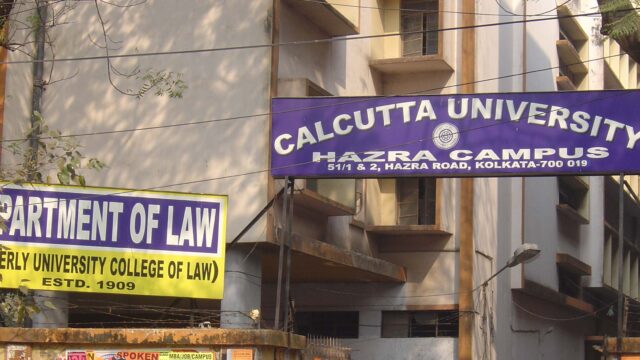
Department of Law, University of Calcutta
- Government
- B.A. LLB (5 Years), LLM India
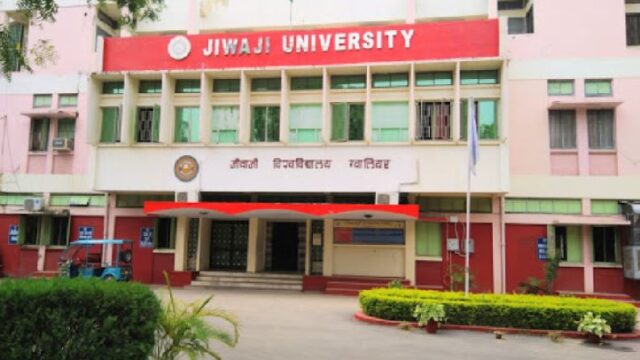
Institute of Law – Jiwaji University, Gwalior
- Government
- LLB (3 Years), B.A. LLB (5 Years), B.Com (5 Years), LLM India

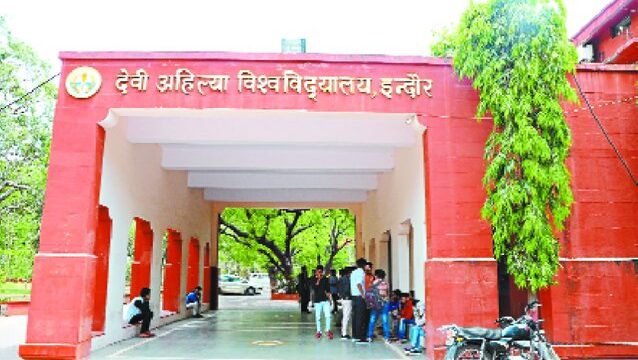
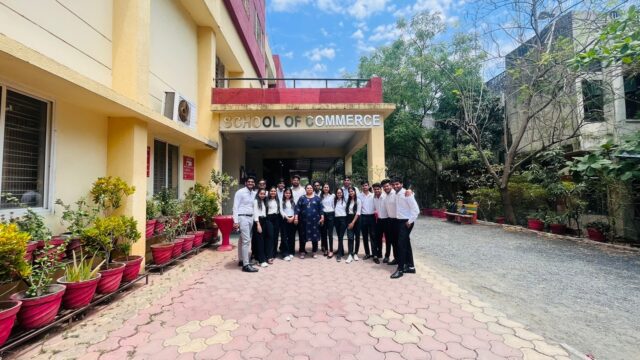
School of Law – Devi Ahilya Vishwavidyalaya, Indore
- Government
- B.A. LLB (5 Years), LLM India
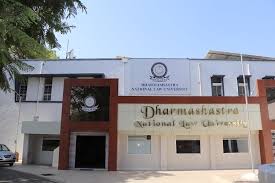

Dharmashastra National Law University (DNLU), Jabalpur
- National Law University
- B.A. LLB (5 Years), LLM India
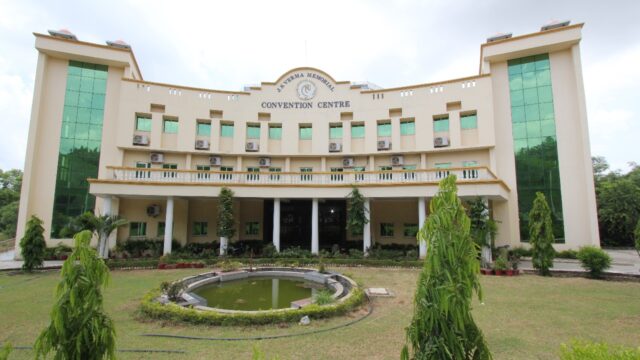
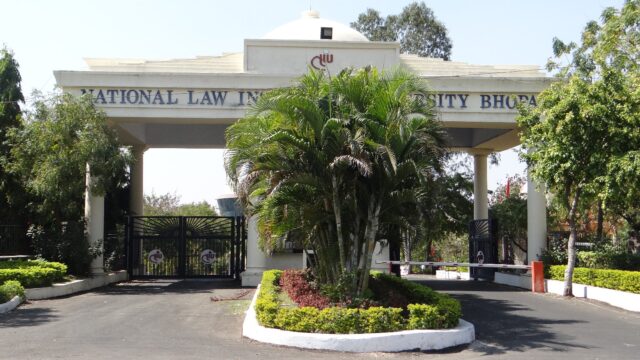

National Law Institute University (NLIU), Bhopal
- National Law University
- B.A. LLB (5 Years), LLM India
